The hydrogen value chain goes far beyond electrolysers and fuel cells. Producing hydrogen cleanly, storing it safely, moving it across borders and using it in steel, chemicals, shipping and aviation each demand different expertise: electrochemistry, materials science, mechanical and electrical engineering, safety, regulation and economics. VTT works across the chain, from materials and components to MW-scale systems and hydrogen valleys, with 30 years of research in hydrogen technologies behind it.
Key facts on VTT’s hydrogen technologies
VTT has 30 years of research in hydrogen technologies focusing on all key electrolyser and fuel cell technologies.
Our testing infrastructure scales from single cells and stacks to complete systems, with rigs built and instrumented in-house and adaptable to customer-specific test plans.
We can help with R&D needs in the full hydrogen value chain across production, storage, distribution and end use. We combine technology development with techno-economic modelling, safety assessments and regulatory expertise.
Hydrogen is moving from promise to practice
Hydrogen’s role has expanded. Climate goals remain a steady driver, but energy sovereignty and resilience are increasingly important.
Hydrogen has a clear role across that picture. Hydrogen
produced from renewable electricity is used to replace fossil hydrogen in refining, and as a precursor for synthetic fuels and green steel. The opportunities sit across heavy industry, energy systems, transport and entirely new value chains built around clean molecules.
Regulation is reinforcing the direction by setting hydrogen-derived fuel quotas that move from voluntary aspiration to binding compliance over the next decade. The market has also matured and the focus has shifted to delivery with more and more companies interested in hydrogen research.

How we can help you across the hydrogen value chain
Hydrogen requires a breadth of expertise ranging from electrochemistry, materials science and mechanical engineering to production modelling, sector coupling, regulatory readiness and stakeholder facilitation.
VTT's broad hydrogen research and development services focus on five connected domains.
Technology development and modelling
We'll help you develop the technology needed for efficient and sustainable production and use of hydrogen.
- Equipment research and development for electrolysers and fuel cells
- Advanced materials research for hydrogen applications, including material characterisation and impact of material impurities on fuel cell and electrolyser performance
- Electrochemical hydrogen compression
- Fuel cell research and development from single cell to stack and system scale, up to 1 MW
- Rapid prototyping of fuel cells, from concept to prototype to operational data
- Tailoring of fuel cell systems, in-house manufacturing and flexible testing and manufacturing
- Process modelling, economic modelling and computational fluid dynamics (CFD)
Testing and validation
Bring your own technology and we'll evaluate it against industrially relevant operating conditions. We help ensure that a product performs as claimed and provide necessary data for investment decisions.
- Testing, demonstration and validation of stacks, balance-of-plant components and complete fuel cell and electrolyser systems
- Hydrogen quality assurance
- Hydrogen safety assessments
Troubleshooting
Already operating hydrogen technology in the field? When an electrolyser plant starts losing performance, a seal leaks or impurity levels break a downstream process, we can diagnose the cause and recommend fixes.
- Electrolyser operation optimisation and performance monitoring
- Diagnosis of in-service degradation, contamination and component failures
- Component and system-level mitigation recommendations
Hydrogen ecosystem and hydrogen valley development
Producers, transport operators, end users and public authorities all need to be brought to the same table. VTT produces the technical and economic modelling, scenario planning and stakeholder analysis that makes a regional or cross-border hydrogen ecosystem viable.
- Hydrogen ecosystem development, roadmapping and hydrogen valley engagements
- Business cases for the hydrogen value chain
- Hydrogen-related policy, regulations and social acceptance
Technology concepts
Exploration of novel concepts to evaluate which hydrogen pathway best fits your situation.
- Hydrogen and ammonia transportation concept development for shipping, heavy road transport and aviation
- Techno-economic assessments and due-diligence reviews
- Concept and process scale-up and piloting
- Hydrogen storage concepts, from large-scale underground storage to small-scale solid-material storage
Expertise in four electrolyser and fuel cell technologies
VTT works across the four main electrolyser and fuel cell technologies. The infrastructure for each was designed and built in-house, which means tests can be tailored to your specific needs.
Proton-exchange membrane fuel cells (PEMFC) and electrolysers (PEMEL)
Our focus in PEMFC research is both the development on fuel cell system integration and hydrogen quality, for example material compatibility and the effect of impurities. We have developed PEMFC systems, stacks and components in co-operation with industrial partners and other research institutes. We also work as a consultant for companies purchasing fuel cell systems or electrolysers and can help in validation of these systems.
Solid oxide fuel cells and electrolysers (SOFC, SOEC)
The infrastructure supports SOFC/SOEC cell, stack and module development and characterisation. The work covers a wide range of operation conditions: varying fuel feeds with hydrogen, reformed natural gas, simulated biogas, ammonia, methanol, different impurities, load and thermal cycles. VTT has extensive experience of collaboration with European and international SOFC/SOEC manufacturers.
Alkaline electrolysis (AEL)
VTT focuses on stack and balance-of-plant testing under industrially relevant conditions in a laboratory scale setting. Our customers can characterise stack behaviour, BoP component performance, accumulation of impurities, hydrogen-to-oxygen and oxygen-to-hydrogen crossover and degradation under different fluid media, temperatures, pressures and dynamic conditions. We are an active player in alkaline research, participating in various EU, Business Finland and customer projects.
Anion exchange membrane electrolysis (AEMEL)
Our research in AEMEL technology focuses on stack development, system and BoP integration and operational performance monitoring. Applications that we are developing can enable clean and cheap hydrogen production coupled with renewable electricity production: for example, using seawater electrolysis as a route to lower-cost clean hydrogen.

Beyond electrolysers and fuel cells: storage, P2X, safety and economics
Hydrogen production is only part of the value chain. Storage is one of the key challenges in the hydrogen economy. VTT develops and tests storage concepts from underground hydrogen storage, solid sorbent materials for smaller installations, and liquid carriers for long-distance trade.
Hydrogen is also rarely the final product. Most of it gets converted into ammonia, methanol, synthetic hydrocarbons or used directly in industrial processes. VTT's Power-to-X infrastructure lets full value chains be piloted as integrated processes.
Safety planning runs through every hydrogen project, for VTT's own infrastructure as well as for the customer systems being tested. VTT contributes to and tracks the codes and standards governing hydrogen quality, handling and equipment certification at EU and national level. We'll help you understand the regulatory environment you're moving into.
Most hydrogen investment decisions turn on the same set of questions. VTT builds techno-economic models that integrate technology, market and operational variables: the kind of independent analysis investors and project sponsors need before committing.
Why partner with VTT in hydrogen technology research and development
Hydrogen projects rarely sit cleanly inside one technical area. Because VTT's hydrogen experts sit alongside specialists in materials, Power-to-X, modelling and policy under the same organisation, projects can draw on the full breadth without coordinating between vendors. Building that expertise that in-house takes years and significant investment before a single useful experiment runs.
We have a solid infrastructure for finding the optimal solution. Our electrolyser and fuel cell technologies cover key hydrogen technologies from lab to pilot scale. Building any one of these in-house is a major project; building the combination takes years.
Partnering with VTT gives access to the expertise and infrastructure. And because the work is done by an independent research organisation, the results are not biased towards any specific equipment, process or trend.
VTT's success stories in hydrogen technology research and development
We've had a long partnership with Elcogen, the Finnish-Estonian solid oxide stack manufacturer. Work began on the company's earliest stack prototypes more than fifteen years ago and has since grown into a strategic alliance covering joint development, independent validation and access to EU research funding. Over that time Elcogen has scaled from a technology developer into a global supplier of solid oxide stacks.
VTT delivered techno-economic analysis on electricity and hydrogen supply for Fortum's green steel applications, examining electrolysis sizing, storage operation and Nordic market conditions across alternative technology choices in the green hydrogen value chain.
How to work with us
-
Contact us
Describe your hydrogen challenge: a stack to characterise, a system to validate, a Hydrogen Valley feasibility study, a techno-economic question or a safety review. Even at an early stage, our team can help you scope what kind of engagement fits.
-
Proposal
VTT scopes the work, agrees timelines and deliverables and provides a clear proposal. For larger programmes, this often starts with a short pre-feasibility or desktop study.
-
Execution and delivery
We run the testing, modelling or development work, deliver reports and recommendations and, where applicable, hand over validated hardware, models or design documentation for your next steps.
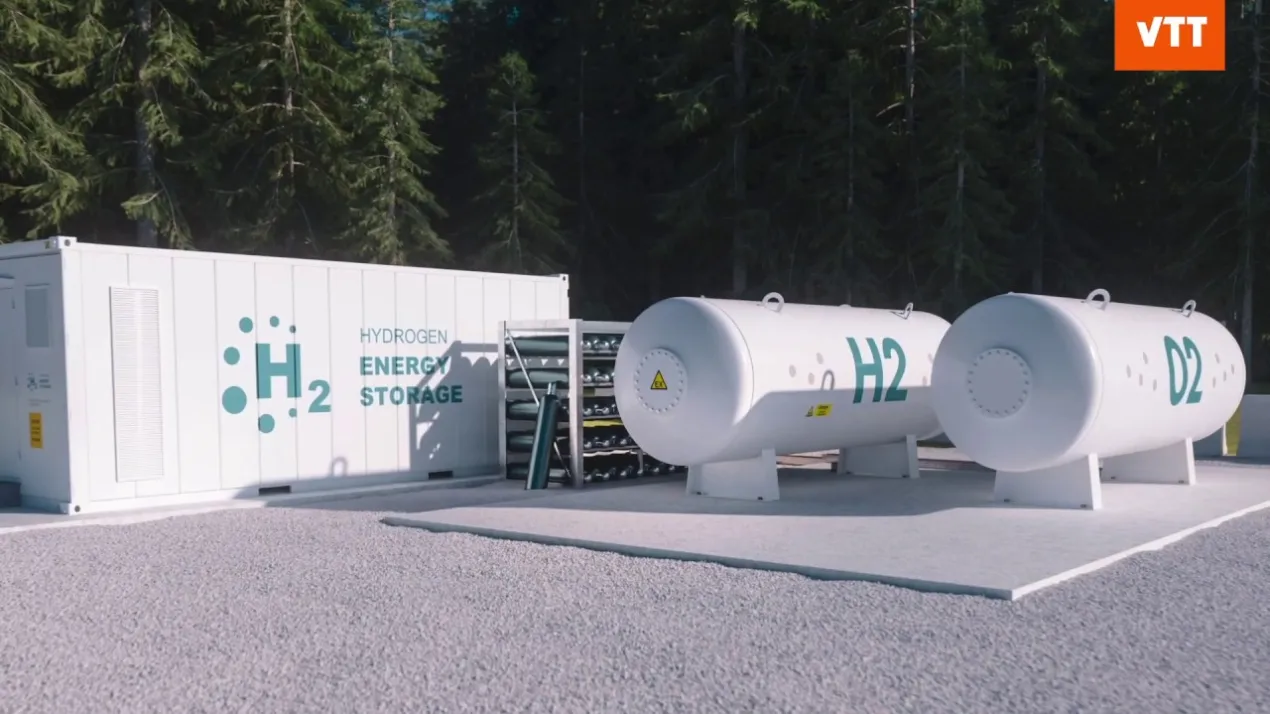
Video: Fuel cells and hydrogen
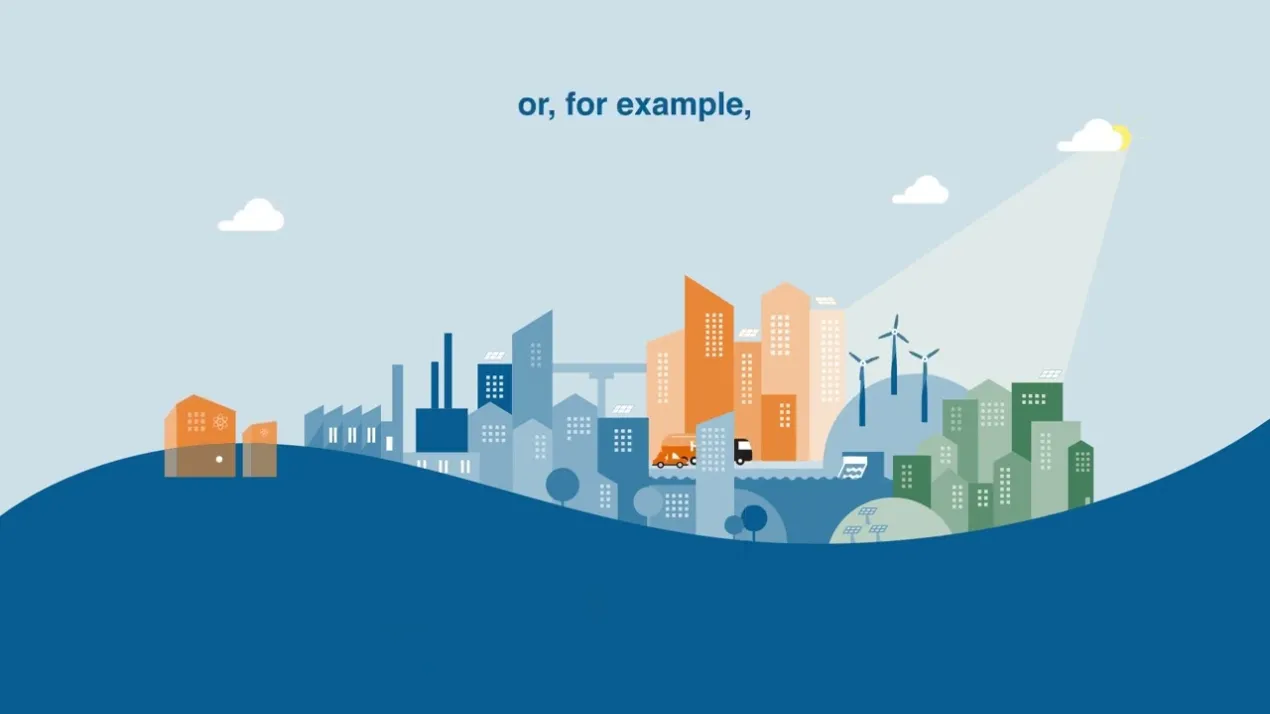
Video: How to build flexible, carbon-free and cost-effective smart energy system?
Meet our experts